
How to Repair Vole Damage in Calgary: A Step-by-Step Lawn Recovery Guide
As the winter snowpack melts across Southern Alberta, many Calgary homeowners wake up to a unpleasant spring surprise: network channels of chewed grass and dirt paths carved across their yards. This distinct zigzagging path is classic vole damage. Because voles construct snow tunnels directly above the grass line to feast on root crowns all winter without predators noticing, the damage can look catastrophic by April. Fortunately, with the right combination of soil nourishment, leveling, and cultural care, your lawn can fully recover.
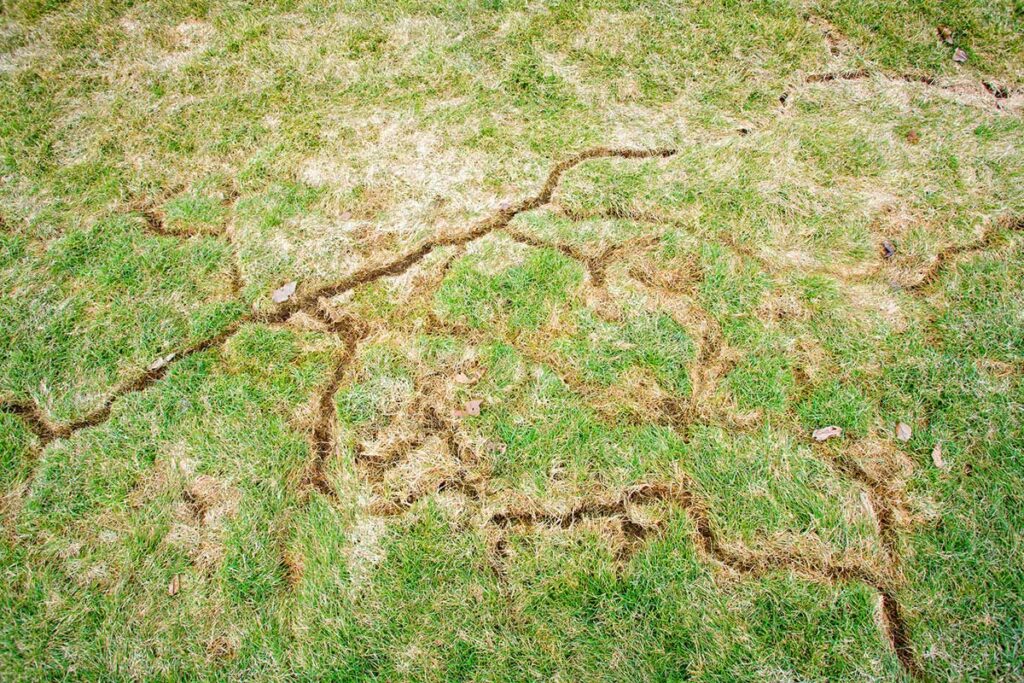
What Does Vole Damage Look Like (and How Severe Is It?)
Unlike moles (which push up large dirt mounds from deep underground tunnels), voles are surface-dwelling rodents.
Surface Runways: They clip grass blades down to the bare soil, leaving 2-inch wide surface pathways that look like miniature highway networks.
Root Crown Inspection: In most cases, the root system below the dirt surface is still alive. If you act quickly in early spring, top-level turf restoration will fill the dead channels and stimulate fresh tiller growth before aggressive weeds take over the bare soil.
Step-by-Step Guide: Fixing Vole Trails with Soil Top Dressing
While shoveling by hand is fine for light dustings, managing relentless winter storms requires time, physical effort, and commercial-grade equipment. Partnering with a professional snow removal team offers distinct advantages:
Step 1: Gently Rake Out Dead Debris
Begin by using a flexible leaf rake to pull up dead grass blades, soil crusting, and vole droppings from the damaged pathways. Opening up these soil channels allows sunlight and warmth to penetrate the root zone.
Step 2: Apply a Rich Soil Top Dressing Blend
Vole trails create micro-depressions across your lawn. The single most effective way to level these grooves while feeding live roots is by applying a professional soil blend. Spreading a 50/50 mix of screened topsoil and organic compost fills the sunken runways flush with the surrounding turf. Learn more about choosing the right soil mix in our guide on why top dressing your lawn is essential.
Step 3: Overseed and Water Deeply
Once the top dressing is raked smoothly into the vole tracks, drop a high-grade, cool-season grass seed (like Kentucky Bluegrass or Fine Fescue) directly into the fresh soil. Gently press the seed down, then keep the soil damp until new shoots reach 2 inches tall.
Step 4: Aerate to Restore Oxygen
Soil underneath heavy winter snowpack gets severely compacted. Pairing your spring vole cleanup with mechanical core aeration opens up soil pores, allowing moisture, air, and fresh top dressing nutrients to sink deep into the root zone.
When to Consider Lawn Replacement
If voles have destroyed more than 50% of your yard or chewed through main root systems leaving loose, detached dead turf everywhere, top dressing and seeding may take months to fill in. In severe cases, removing the damaged surface layer and laying fresh sod installation in Calgary provides an instant, dense grass carpet built to handle future seasonal stress.
Prevent Future Winter Vole Infestations
Final Fall Cut: Mow your grass short (around 2 inches) during your final late-autumn cut to remove winter nesting cover.
Fall Cleanups: Clear leaves, tall weeds, and brush piles near property borders before the first major snowfall.
Restore Your Yard with Yard Busters Landscaping
Repairing widespread vole trails requires heavy material handling, proper soil calibration, and commercial overseeding equipment. Whether you need a seasonal top dressing treatment or a complete turf overhaul, our team brings local soil expertise to every property.
Explore our Calgary landscaping project gallery to see real examples of our lawn restorations, sod installs, and seasonal cleanups across Calgary.
VISIT US:
Yard Busters / Crystal Edge Landscaping
Suite #1941, 246 STEWART GREEN SW
CALGARY AB T3H 3C8
CALL US:
403-265-4769
EMAIL US:
WE ARE OPEN TO SERVE:
Office Hours: 8:30am – 4:30pm, Monday-Friday
